Edge Runtime vs Node.js: When the Hype Doesn't Match the Bill
Edge functions are fast — until your code hits a database. A pragmatic look at where edge wins and where it quietly loses.
 Anna Whitfield
The pitch is irresistible: deploy a function to 300 cities, and your users always get sub-50ms latency. The reality is more nuanced.
Edge wins for: A/B routing, header rewrites, auth checks against a CDN-cached token, light personalisation. Anything stateless and small.
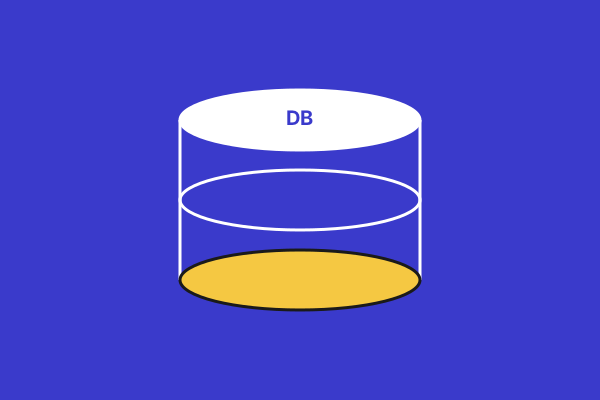
Edge loses for: anything that talks to a database. Your edge function is in Frankfurt; your Postgres is in Virginia. Each query is a 100ms round trip. You've made things slower.
Read your access logs before adopting. Then ask: of my routes, how many actually need geographic proximity? For most teams, the answer is "fewer than I thought".
Related articles.
 IT
ITWhy React Server Components Are More Than Just Hype
After two years in production, RSC has matured. Here's what actually changed about how we build apps — and where the rough edges remain.
 IT
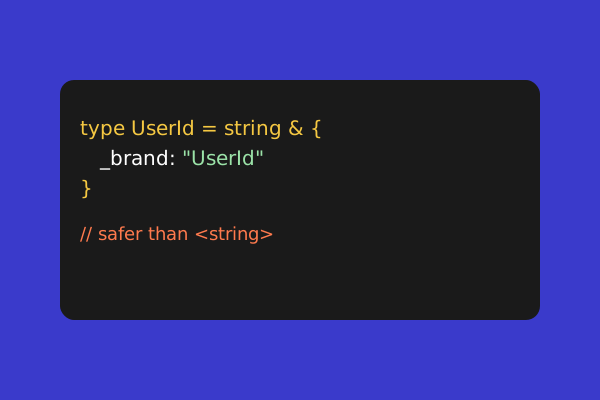
ITThe Quiet Power of TypeScript: Branded Types for Safer APIs
Branded types are the cheapest, least-known TypeScript trick that catches an entire class of bugs at compile time.